
Abu Dhabi is successfully transitioning into a mature, high-demand investment hub. Investors should prioritize off-plan assets in approved Investment Zones (particularly Hudayriyat and ADGM-exempt districts) to maximize both near-term capital appreciation and long-term rental yields.
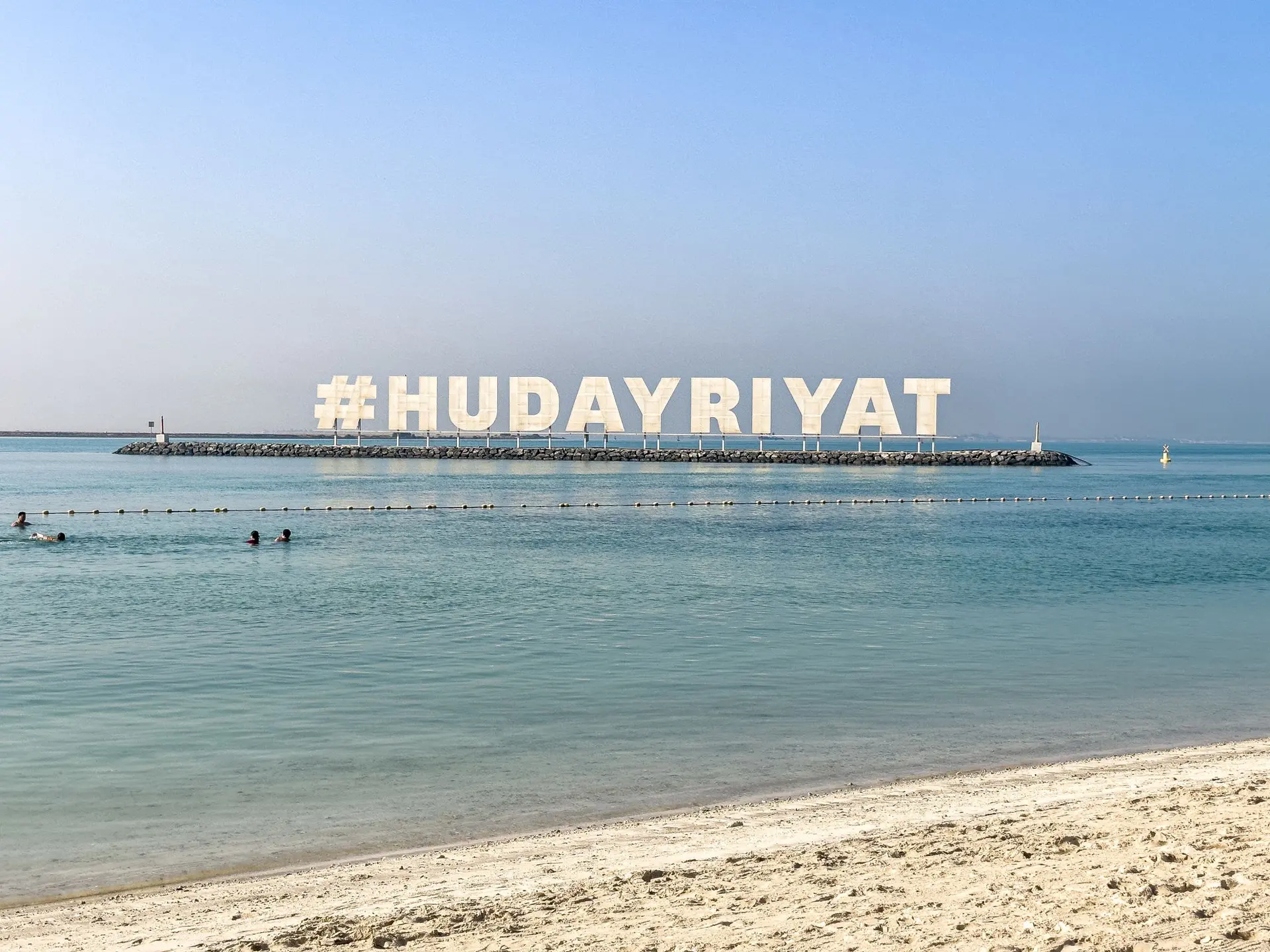
The United Arab Emirates has firmly cemented its position as the world’s leading real estate investment destination, reflecting sustained resilience and global appeal as highlighted in a recent June property investment index. At the forefront of this momentum is Abu Dhabi, which demonstrated significant market strength in the first half of 2026 with total residential sales reaching an impressive Dh70.4 billion. This robust performance was heavily propelled by a single powerhouse destination: Hudayriyat Island. Capturing incredible investor interest, the island alone accounted for $5.2 billion (approximately Dh19 billion) in transactions, representing about 27 per cent of the emirate’s total residential sales. A major driving force behind these massive figures was the overwhelming appetite for future developments, with off-plan projects dominating the landscape and comprising nearly 90 per cent of all residential unit transactions during this period.
To meet this surging demand, Abu Dhabi’s residential supply experienced a steady growth of nearly 3 per cent year-on-year, bringing the emirate's total housing stock to approximately 409,000 units. Designated investment zones, which are highly sought after by international buyers, contributed substantially to this inventory by accounting for 22 per cent of the total, or roughly 72,000 housing units. Within these premier districts, Reem Island led the development pipeline with about 27,500 units, followed closely by significant contributions from Al Raha Island, Yas Island, and Saadiyat Island. Looking ahead, the market is preparing for continued expansion, with an additional 71,000 units projected to enter the market by 2030 and delivery volumes anticipated to reach their peak in 2028.
Regulatory initiatives have played a crucial role in fostering this growth and maintaining market stability. In July 2026, the Abu Dhabi Real Estate Centre (ADREC) announced a sweeping freeze on rent increases across residential, commercial, and industrial properties. However, strategic exceptions were made for communities managed by the Abu Dhabi Global Market (ADGM), allowing distinct regulations for prominent high-yield areas such as Al Maryah Island and Reem Island. Beyond stabilization, ADREC actively stimulated the market by approving eight new investment zones in the first half of the year, bringing the emirate's total to 50. The regulator also registered 28 new real estate developments, marking a 16 per cent increase from the previous year and creating a wealth of fresh opportunities for local and international investors.
This positive trend in Abu Dhabi extended across the broader UAE, underscoring collective, nationwide market strength. In Dubai, completed real estate investments surged by a remarkable 52 per cent year-on-year, reaching Dh111 billion in the first half of 2026 across 104 distinct developments. Meanwhile, Ras Al Khaimah maintained its own robust fundamentals; following a year where its residential sector recorded Dh12.3 billion in total sales, the emirate saw hotel occupancy rates reach nearly 50 per cent in the first half of 2026. Abu Dhabi mirrored this tourism success, with its hospitality sector demonstrating exceptional performance by recording the highest hotel occupancy rates in the UAE during the first half of the year at an estimated 66.8 per cent, and holding steady at 65.2 per cent through the month of June.