
Capitalize on Dubai's booming logistics sector. Discover 2026's top commercial warehouse investment opportunities, market updates, and essential leasing guidelines.
Premier Investment Opportunities & Complete Leasing Guide
Dubai’s position as a global logistics powerhouse makes it one of the most strategically critical—and highly lucrative—markets for commercial and industrial real estate. Anchored by Jebel Ali Port, the largest in the Middle East, the emirate offers unparalleled access to markets across the GCC, Africa, and South Asia.
For commercial property investors and logistics operators alike, 2026 presents a unique landscape. Record-high occupancy rates, expanding e-commerce infrastructure, and new developer launches are driving robust capital appreciation and premium rental yields.
Whether you are looking to acquire an industrial asset for your portfolio, trade high-value mainland warehouses, or source the perfect logistics centre for your operations, understanding the nuances of this market is essential.
Here is your complete guide to navigating, investing in, and securing warehouse spaces in Dubai this year.
Market Update & Investment Potential
The Dubai industrial sector is experiencing unprecedented demand. With supply remaining tight in prime logistics corridors, investors are seeing sustained rental growth and highly attractive net yields compared to global averages. Recent developer news indicates a shift toward highly automated, sustainable, and temperature-controlled facilities to meet modern supply chain demands. For investors, acquiring well-located, compliant warehouse assets—especially mainland plots and ready-built industrial units—offers a resilient hedge and strong cash flow generation.
Step 1: Define Your Asset Requirements
Before approaching the market for acquisition or leasing, clarity on operational capabilities is vital. The specifications of a warehouse directly dictate its tenant appeal and long-term value:
Floor Area & Scalability: Calculate the immediate storage requirements while projecting 12–24 months ahead. An undersized unit forces costly early relocations, while excessive space drains capital.
Clear Height: High-racking or mezzanine operations typically demand a minimum clear height of 9–12 metres. Always cross-reference this against modern racking system specifications before shortlisting.
Docking Facilities: Determine the necessity of dock-levellers, drive-in ramps, or ground-level loading bays. Retrofitting these post-handover is capital-intensive and structurally complex.
Power Supply: Standard units provide 100–200 kVA. However, heavy manufacturing or large-scale refrigeration requires significantly higher capacities. Securing DEWA upgrades can be a competitive advantage for an asset.
Temperature Control: Cold storage and chilled distribution require specialist infrastructure, representing a distinct asset class with premium rental structures and high tenant retention.
Step 2: Target the Right Industrial Zones
Dubai’s industrial landscape is segmented into distinct zones, each tailored to specific business activities, licensing frameworks, and investment profiles.
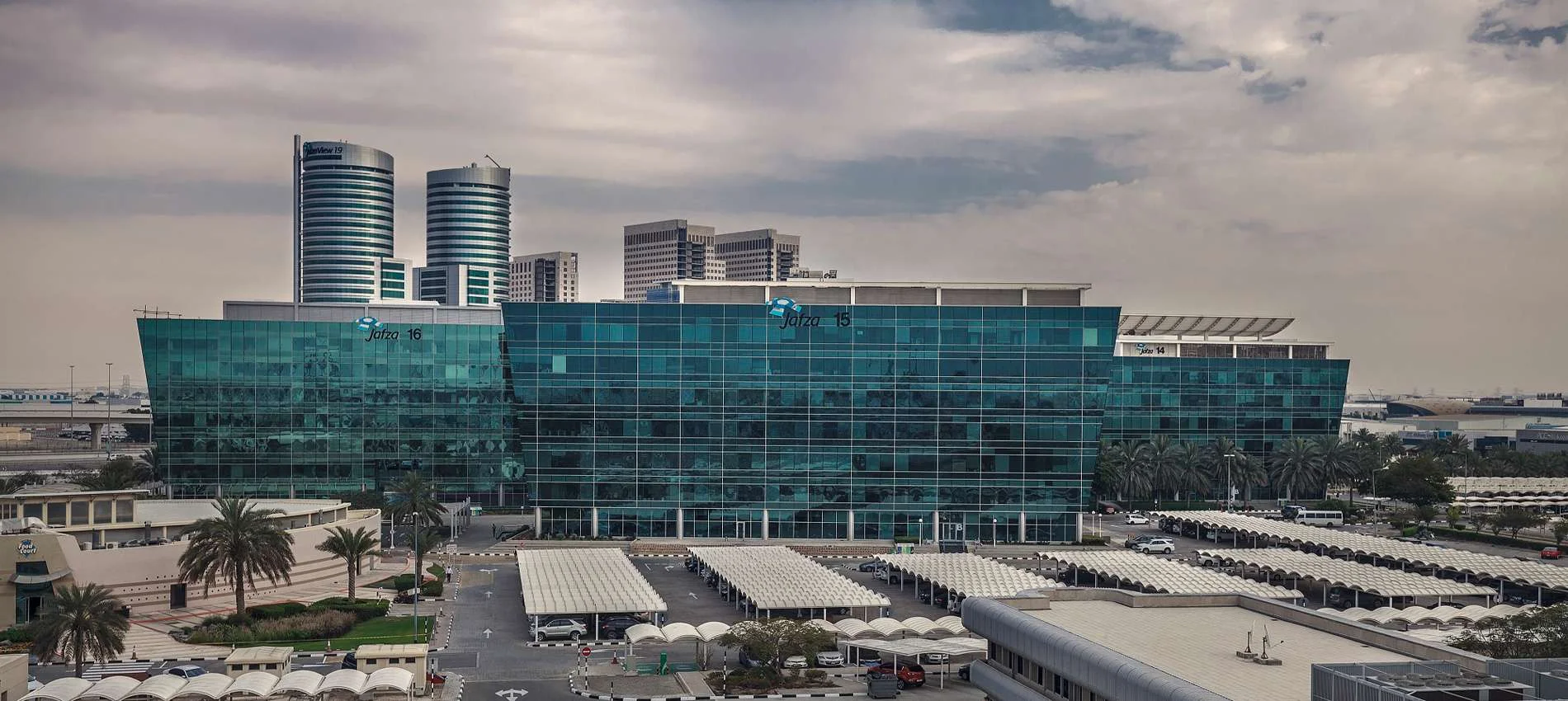
Jebel Ali Free Zone (JAFZA): The premier logistics location adjacent to Jebel Ali Port. Offering 100% foreign ownership and exceptional customs benefits, it is the ultimate destination for multinational logistics and import/export operations.
Dubai South: Built around Al Maktoum International Airport, this rapidly expanding zone is the focal point for aviation-linked logistics, air freight, and e-commerce fulfilment reliant on rapid air connectivity.
Dubai Investments Park (DIP): A highly sought-after mixed-use community offering competitive entry points and seamless connectivity to Sheikh Zayed Road and Emirates Road. It is a prime target for mid-sized manufacturers and value-driven logistics operators.
Al Quoz: Centrally located and ideal for light manufacturing, workshops, and commercial trades. Its unmatched proximity to the city center makes these mainland assets incredibly resilient in value.
Ras Al Khor: Positioned near Business Bay, this area is highly coveted by food distribution, FMCG, and printing businesses requiring rapid last-mile delivery into central Dubai.
Step 3: Ensure Regulatory & Operational Compliance
Navigating Dubai's regulatory landscape efficiently is what separates successful investments from costly liabilities. Ensuring full compliance before finalizing any transaction is non-negotiable:
Fire Suppression Systems: Compliance with Dubai Civil Defence is mandatory. While modern facilities are equipped with integrated sprinkler systems, older stock may require substantial capital expenditure for upgrades.
Permitted Use Licensing: Your Department of Economy and Tourism (DET) or free zone trade licence must explicitly align with the property's zoning. Operating under a mismatched licence is a frequent compliance error that can void tenancy agreements.
Hazardous Materials: Facilities handling chemicals or flammables require specialized Civil Defence approvals, regardless of the zone. Identifying these capabilities early adds significant premium to the asset.
Ready to Maximize Your Commercial Portfolio
Navigating the complexities of Dubai’s industrial real estate market requires deep local expertise and precise execution. Whether you are seeking to trade mainland warehouse assets, acquire high-yield commercial property, or lease a bespoke logistics facility, the Baypoint Team provides the strategic market access you need.
Don't miss out on 2026's prime commercial opportunities. Contact the Baypoint Team today to discuss your next industrial acquisition or leasing strategy.